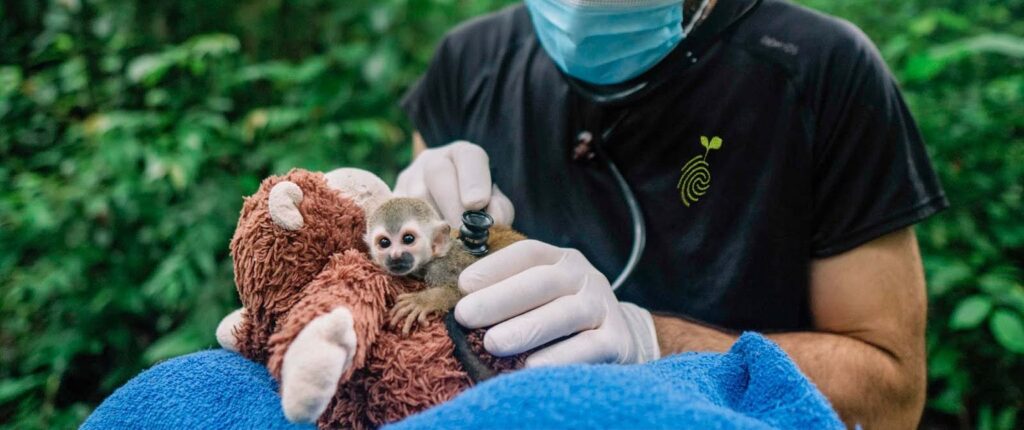
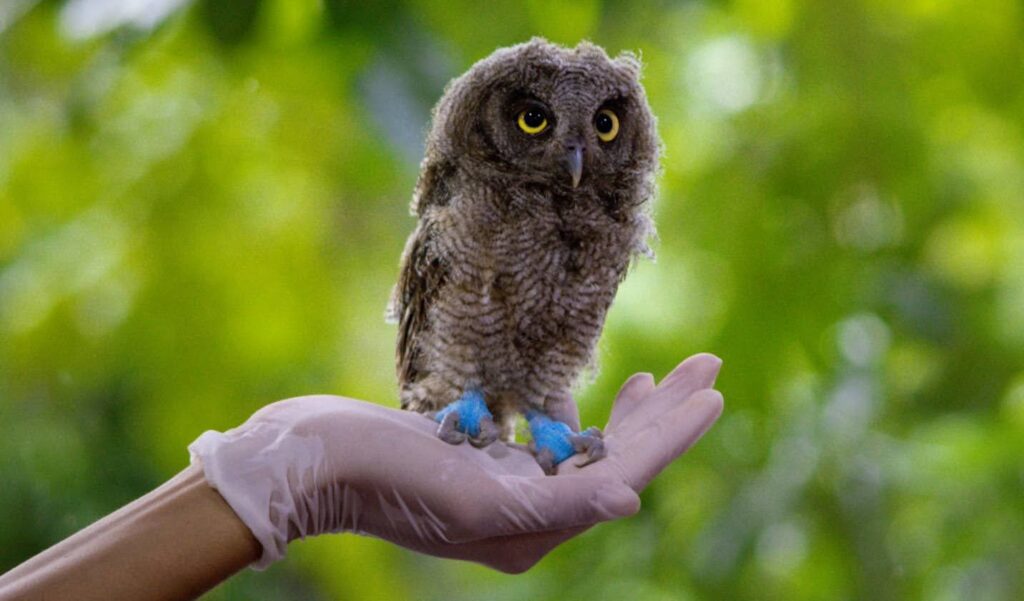
This program is designed for veterinary, pre vet students or anyone interested in starting their journey in wildlife medicine. Whether you need university credits, a recommendation letter, or simply want to spend an unforgettable time immersed in the Costa Rican jungle, this internship is for you.
Over the course of this period, you’ll take part in wetlabs, lectures, and educational field trips, while also gaining hands-on experience in wildlife care and rehabilitation. Beyond the academic and professional training, there will be plenty of opportunities to enjoy the wonders of Costa Rica, its culture, landscapes, and extraordinary biodiversity, making this both a learning experience and the adventure of a lifetime.
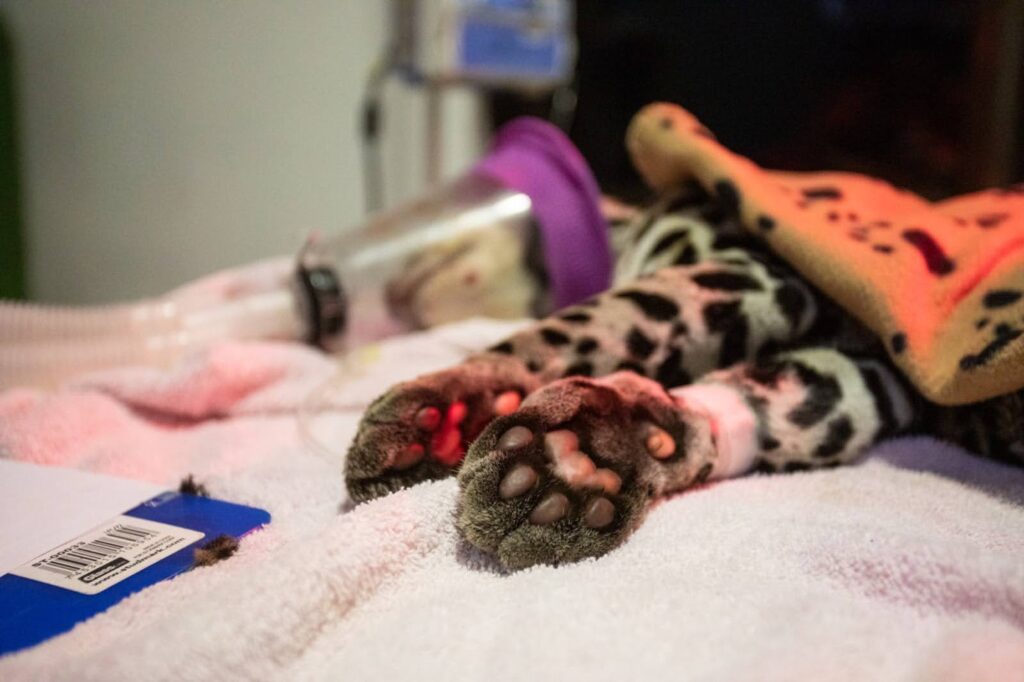
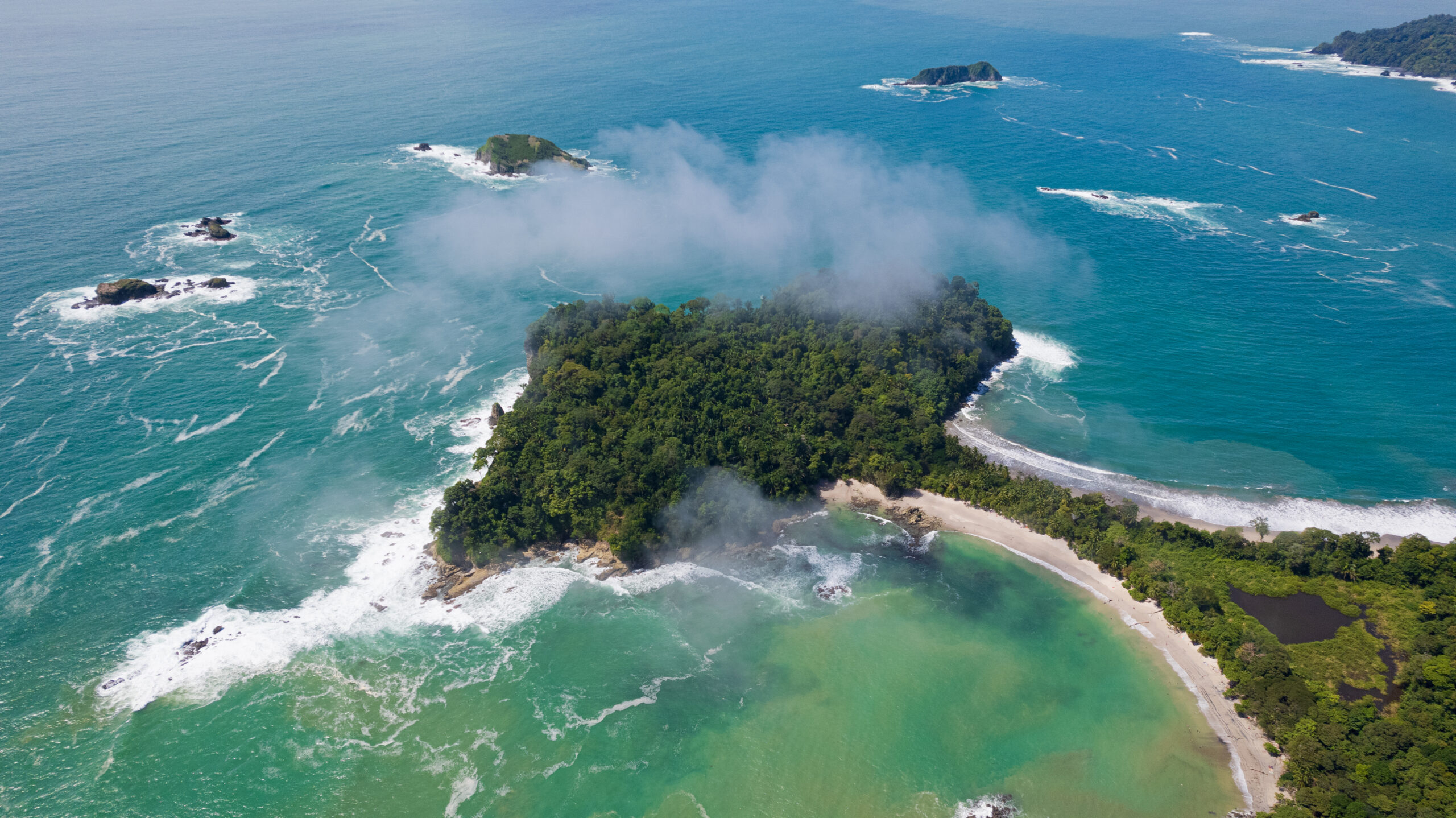
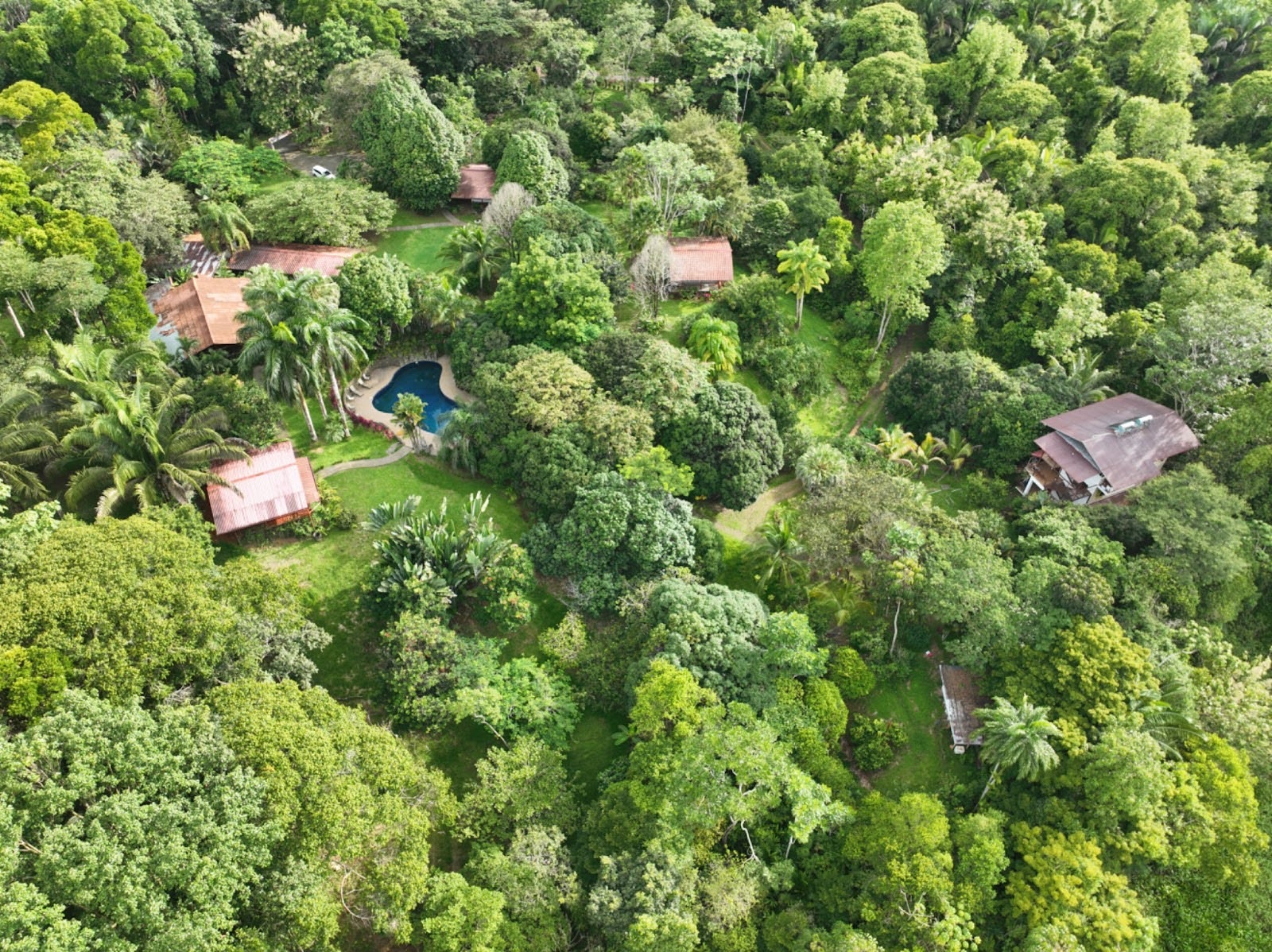
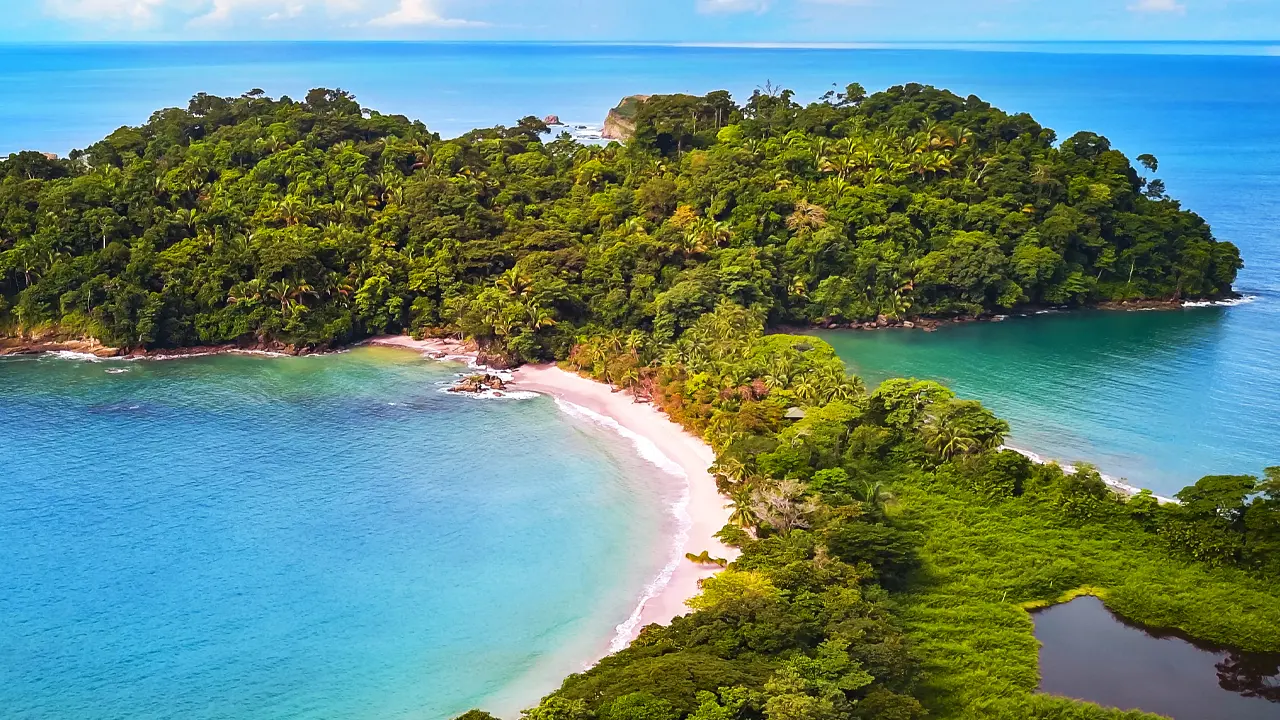
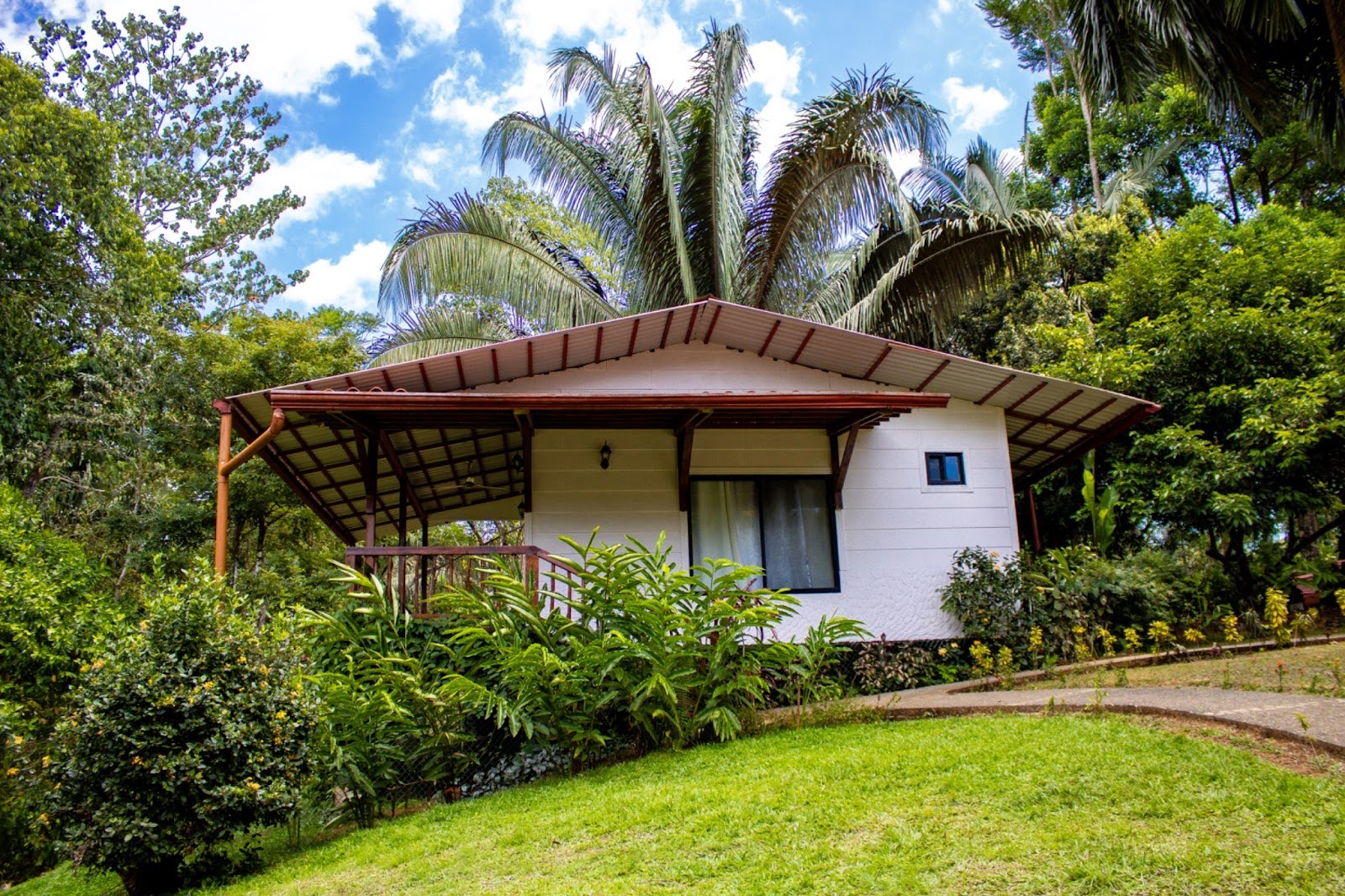
Our 42-acre campus is located just outside Manuel Antonio, one of the most beautiful and biodiverse beach towns in the world. Students live and learn in an inspiring environment that includes a beautiful pool, on-site restaurant with a professional chef, and shared bungalows with A/C the perfect blend of comfort and adventure in the rainforest.
Getting into veterinary school is highly competitive. Our Pre-Vet Internship is designed to give you the experience, skills, and recommendations to set you apart from other applicants. In 2 or 4 weeks, you’ll gain firsthand insight into wildlife and conservation medicine, shadow practicing veterinarians, and participate in real-world animal care.
Each participant receives a certificate of completion, and outstanding students may request a recommend
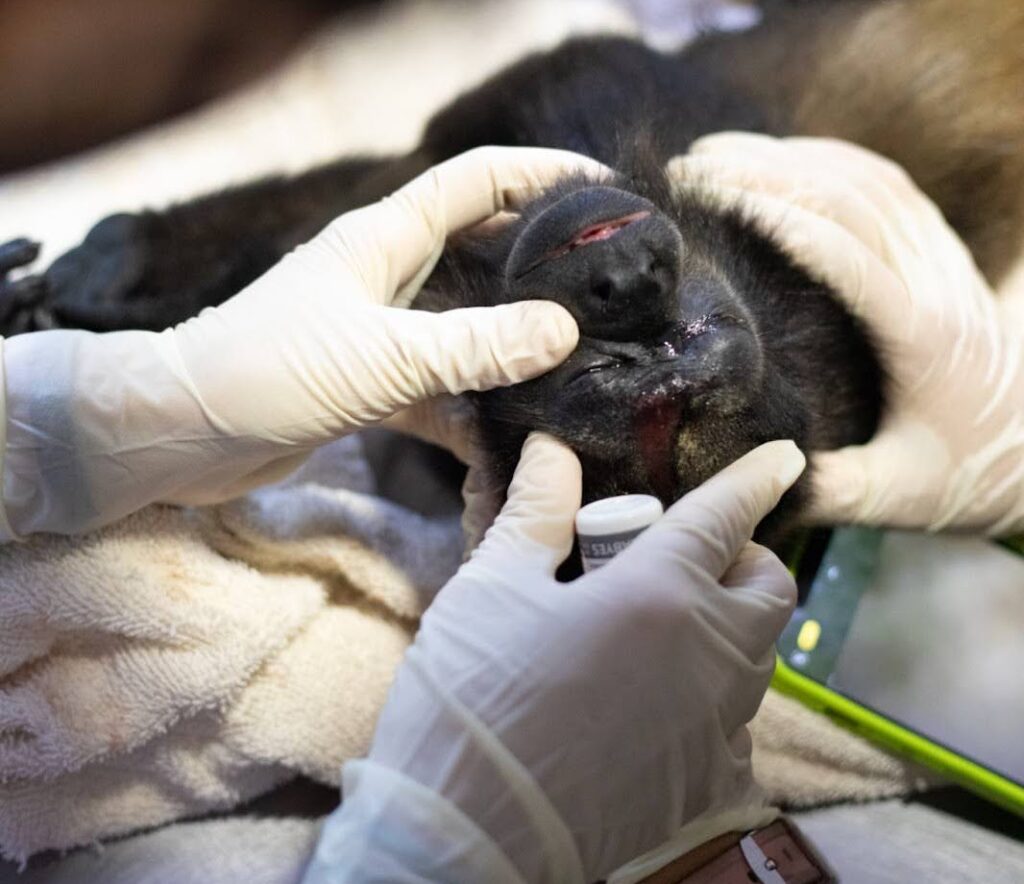
At our rescue center, students will
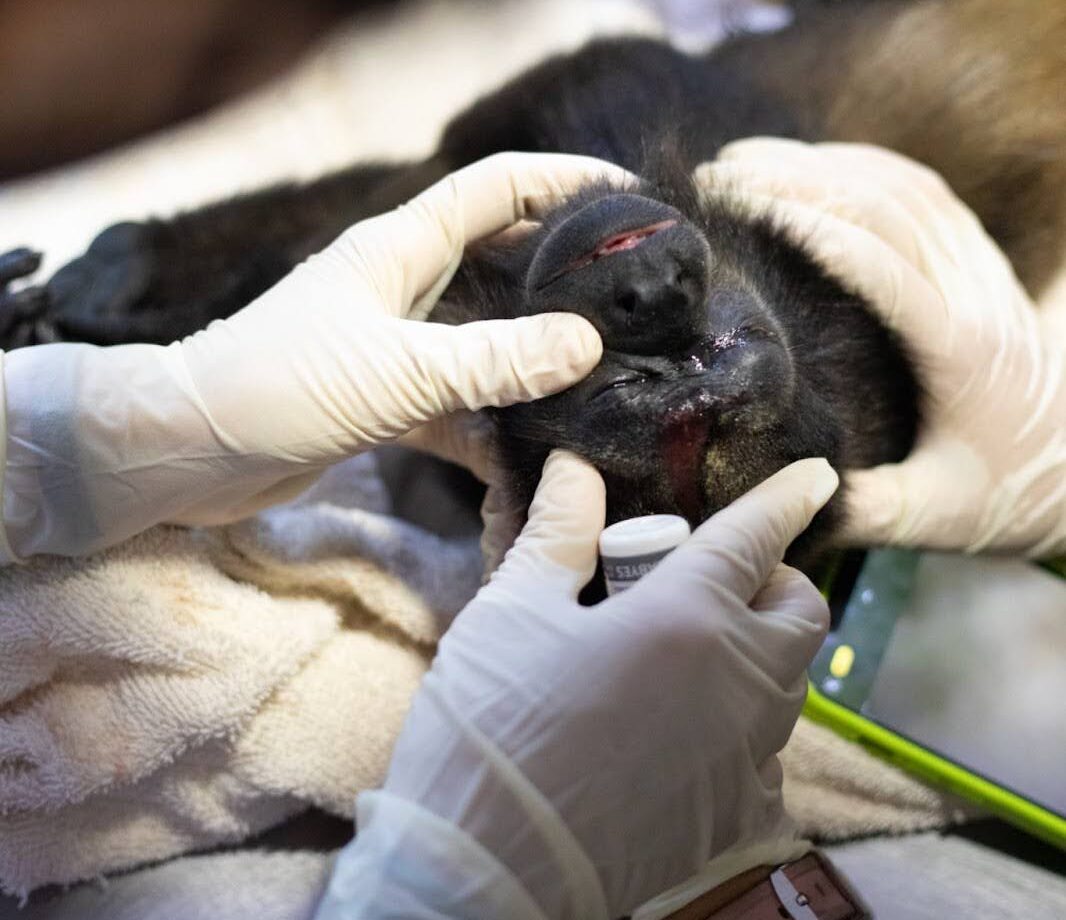
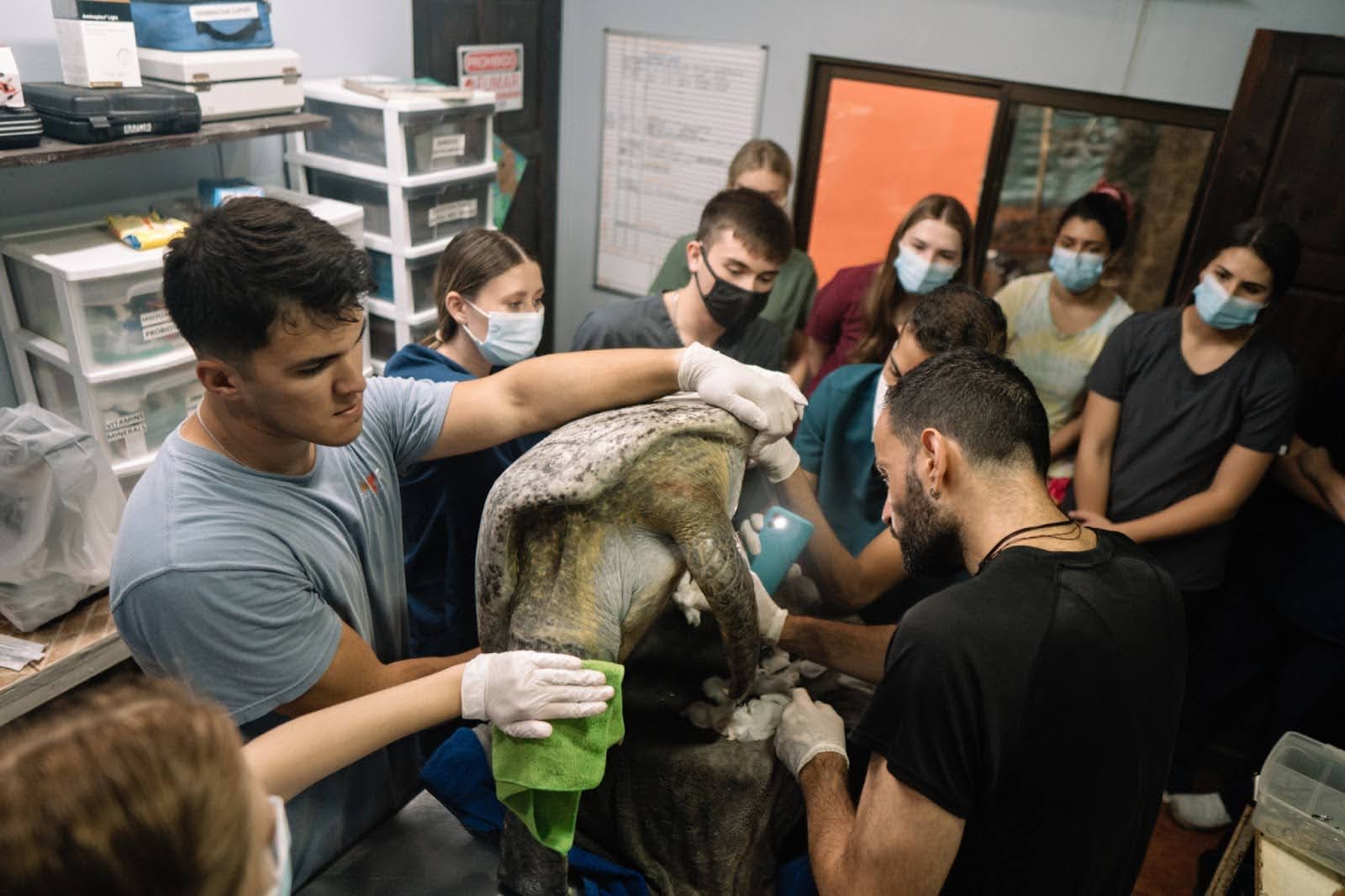
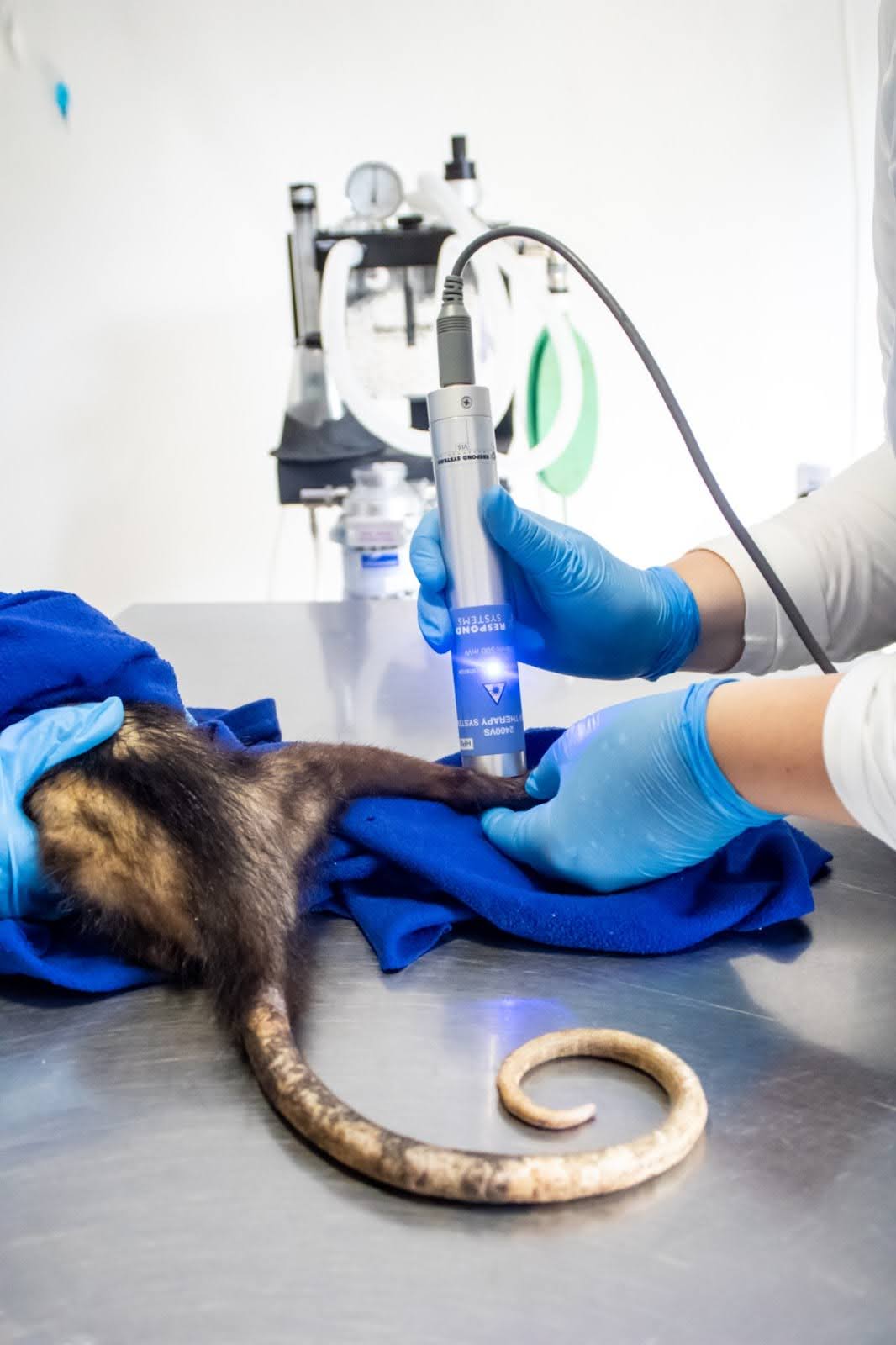
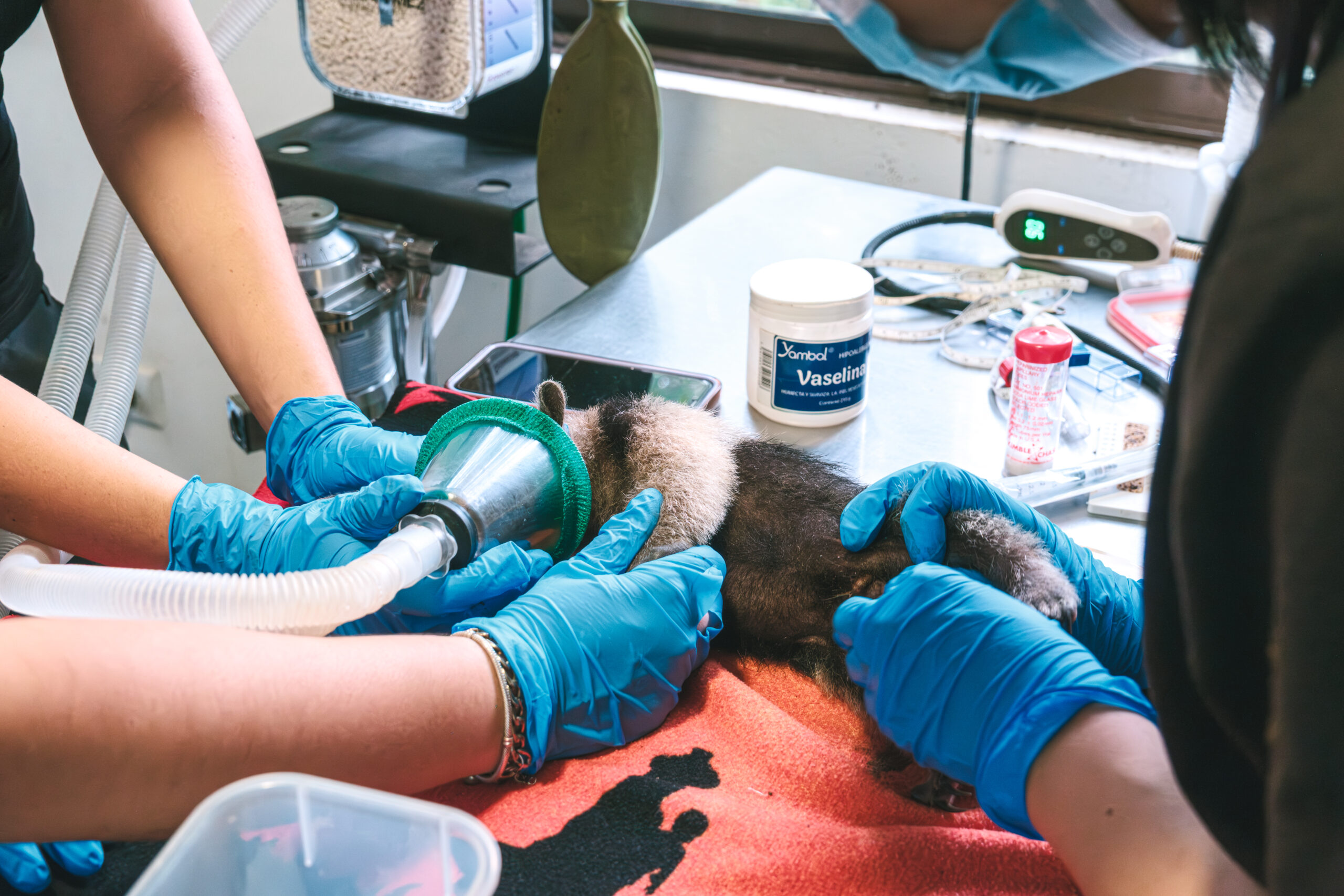
- Shadow veterinarians during emergency procedures and surgeries (including castration campaigns).
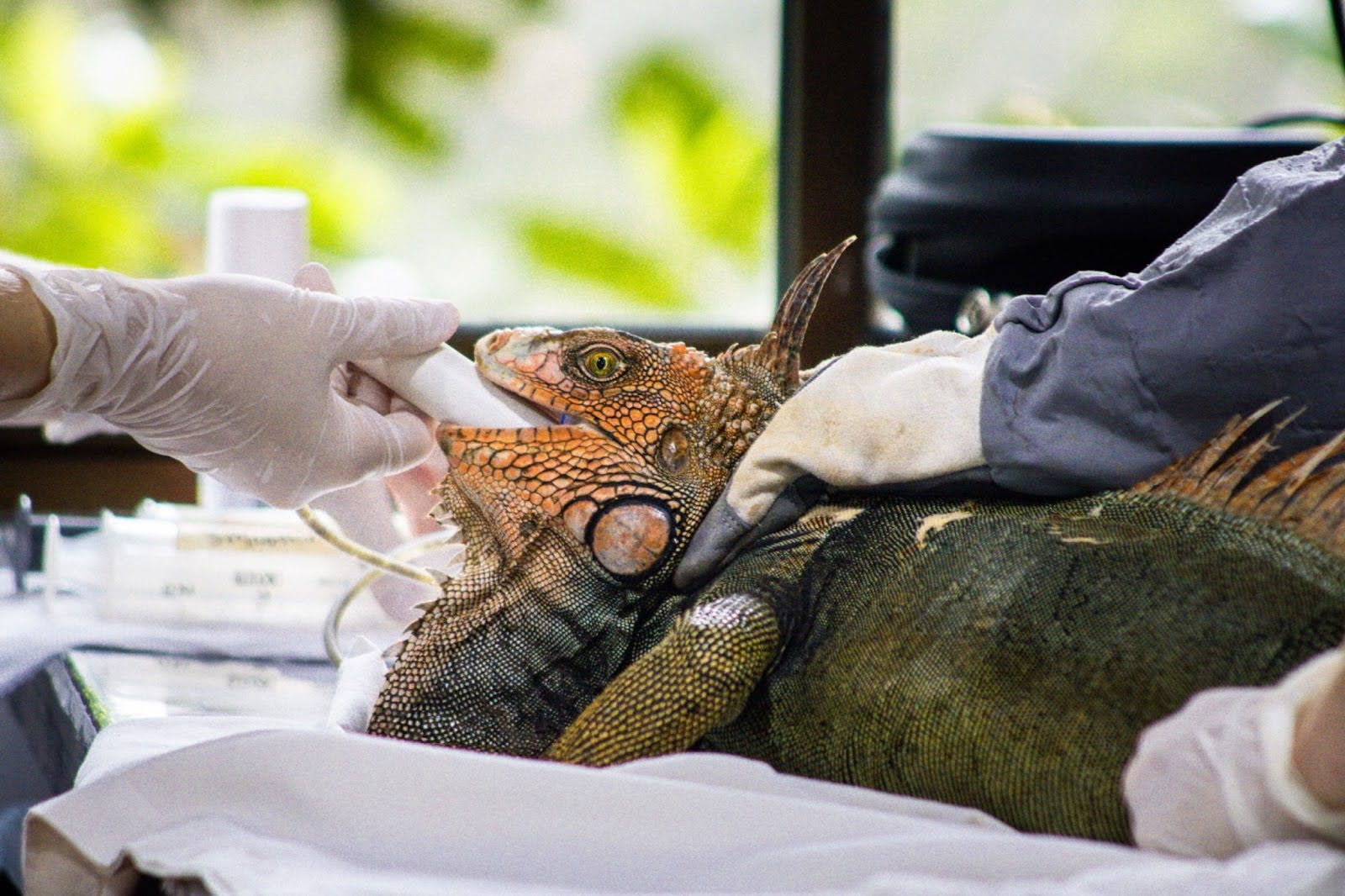
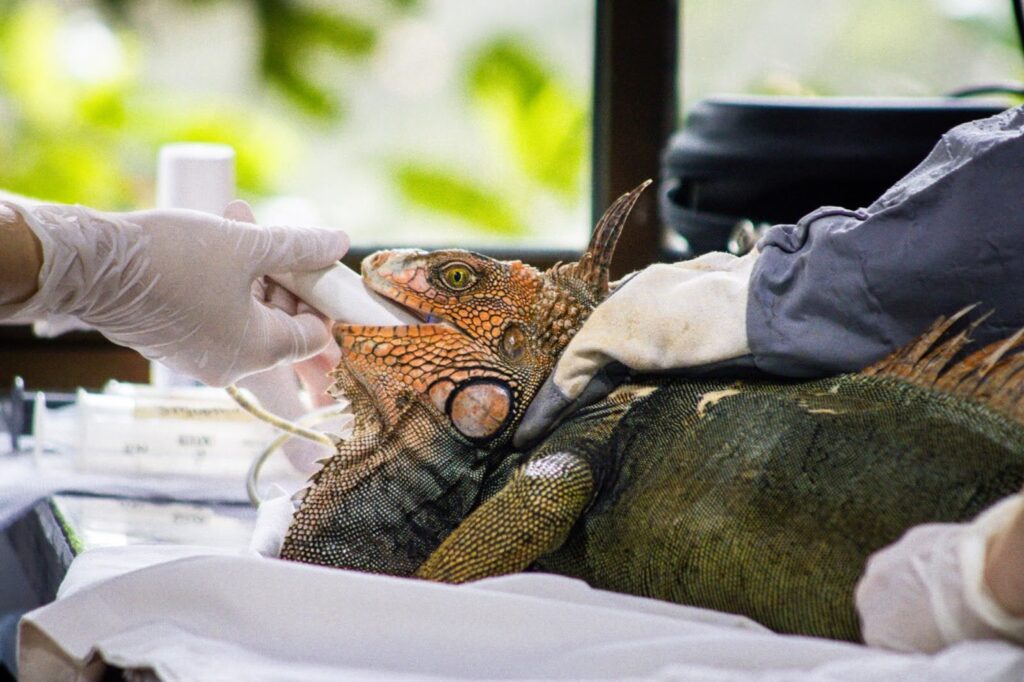
• Learn proper restraint techniques for mammals, birds, and reptiles.
• Perform physical exams and hands-on evaluations.
• Identify and treat parasites.
• Administer fluids, practice wound care, suturing, and learn healing stages.
• Participate in necropsies and structured wet labs that build clinical skills.
• Engage in patient rounds, topic discussions, and lectures with vets.
We know learning does not only come from lectures and workshops, therefore we make sure all of our students attend different trips
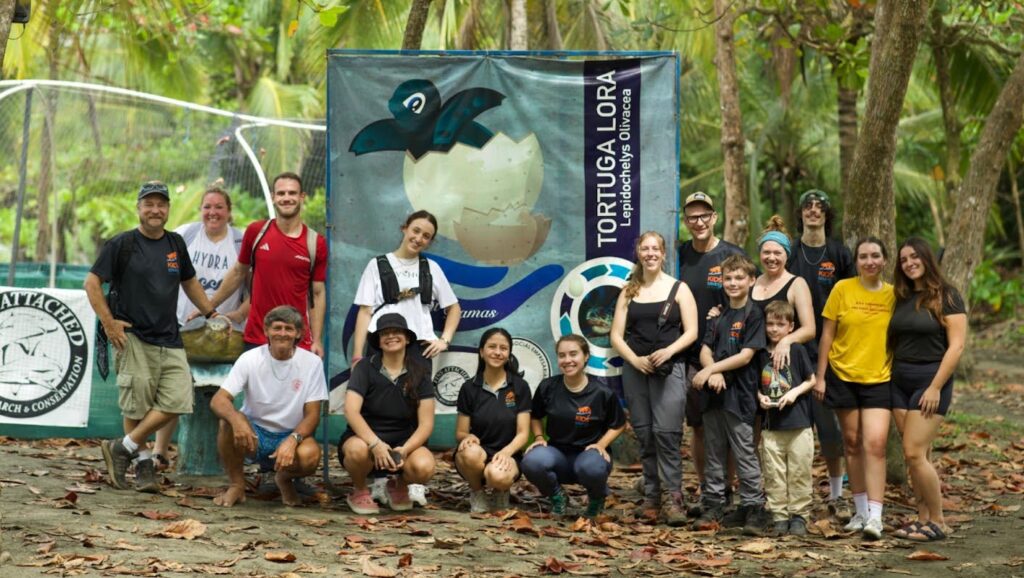 We know learning does not only come from lectures and workshops, therefore we make sure all of our students attend different trips
Students will take part in projects that directly protect Costa Rica’s ecosystems and native species:
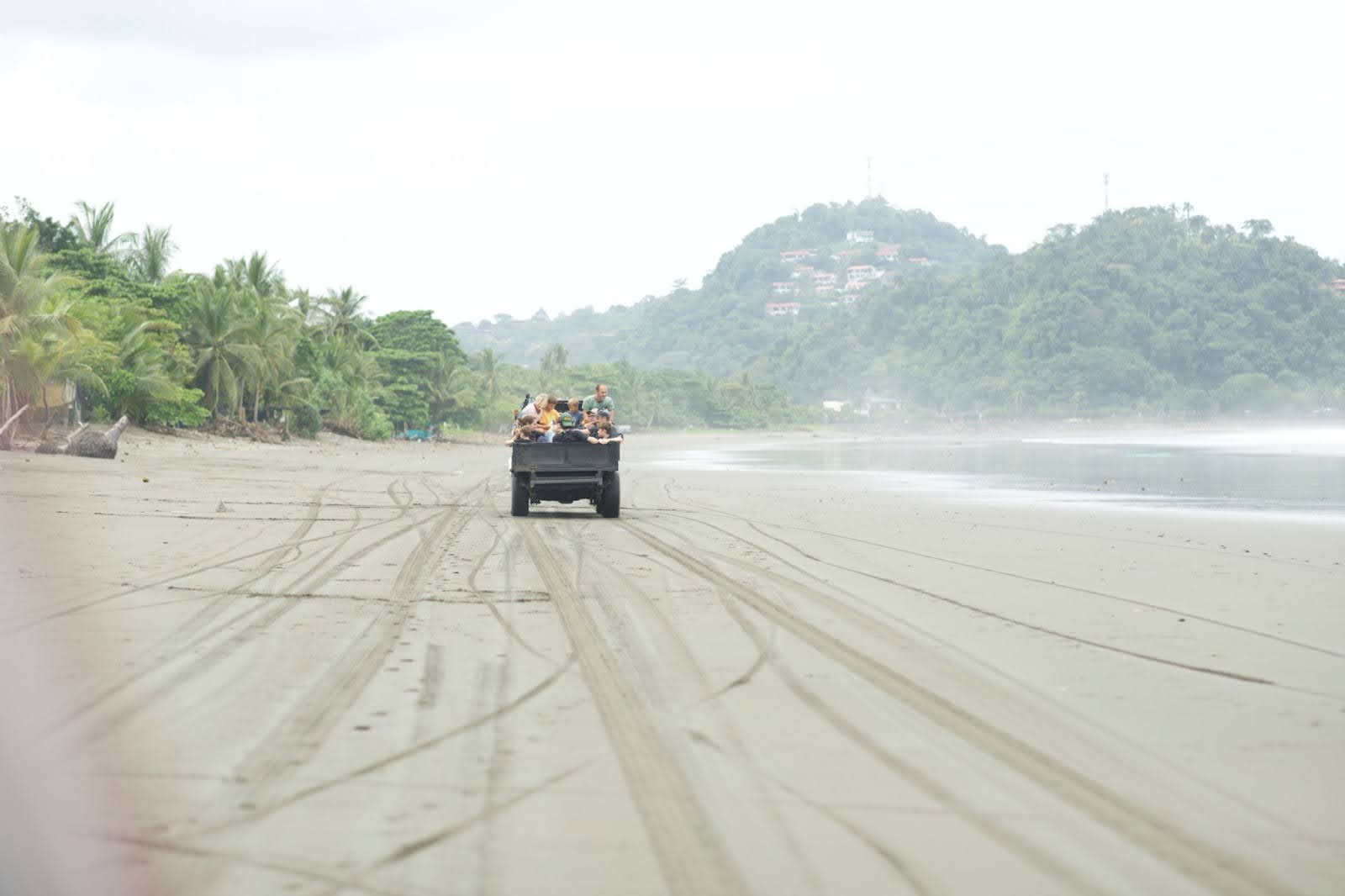
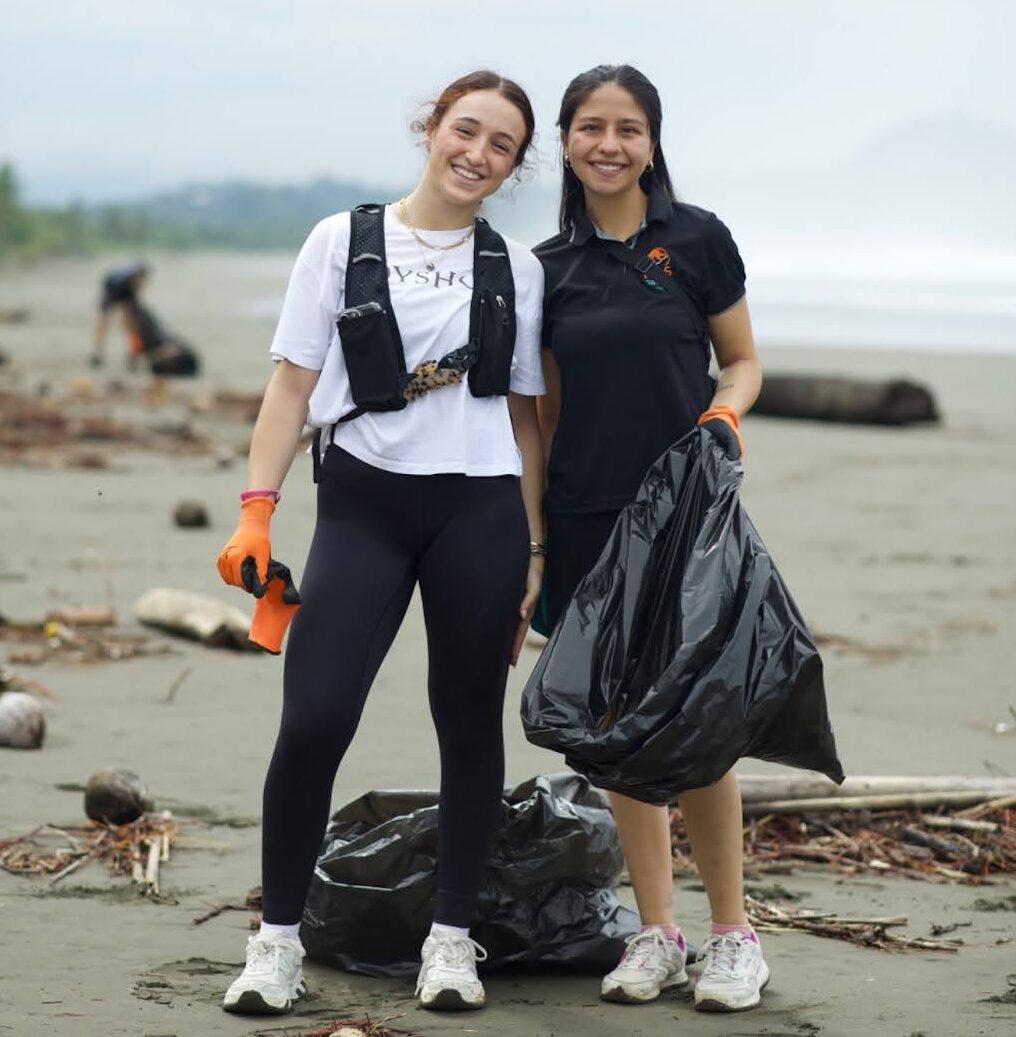
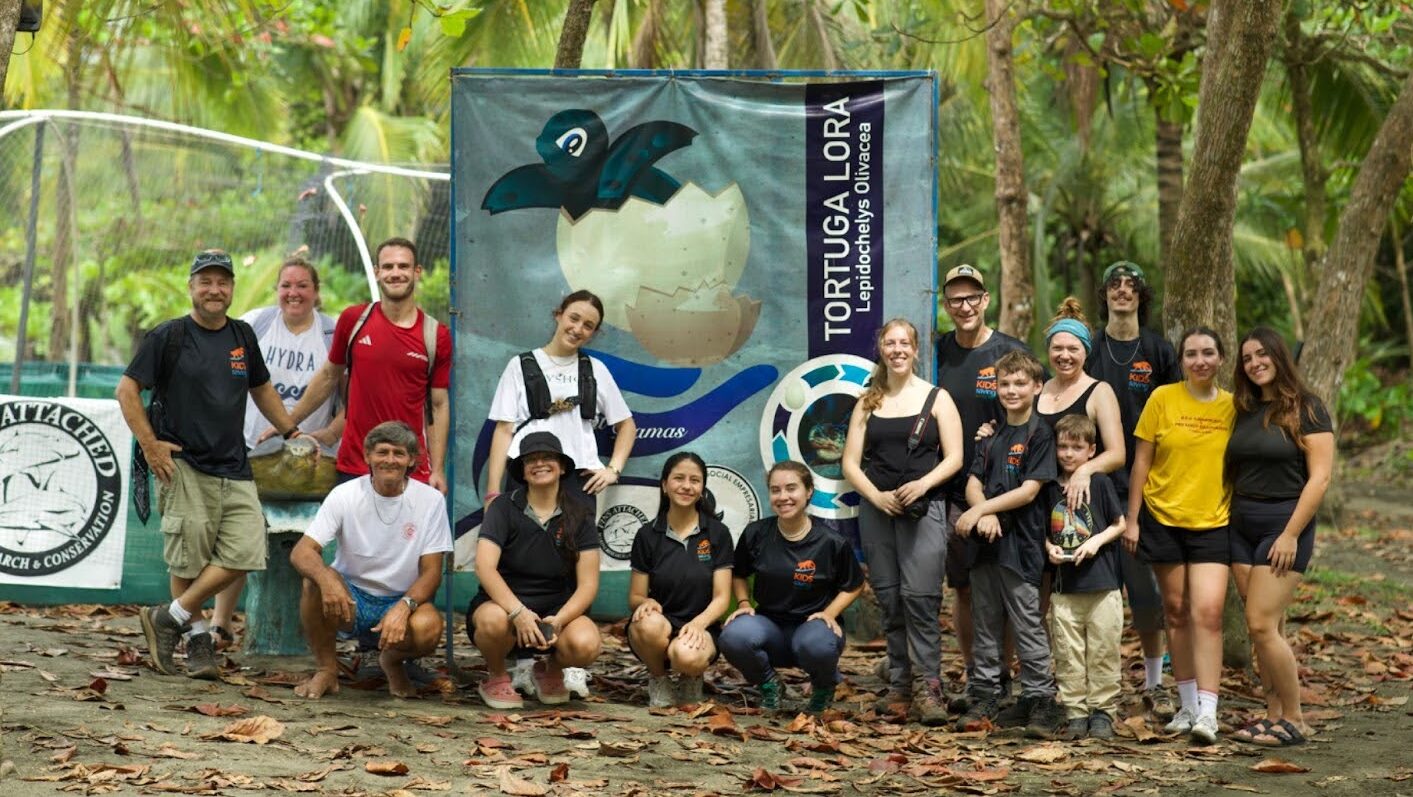
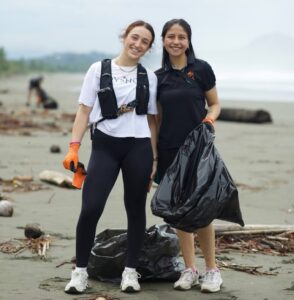
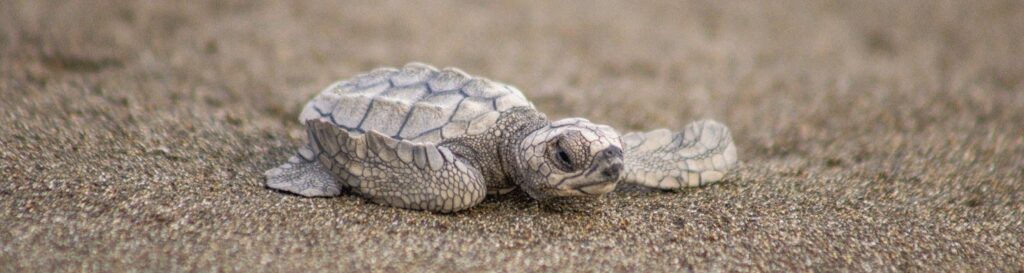
- Sea Turtle Conservation – night patrols, egg relocation/management, hatchling releases, and beach cleanups.
- Macaw Conservation – learn about scarlet macaw reintroduction efforts in Manuel Antonio.
- Sustainable Beekeeping – explore a Costa Rican bee farm.
- Reptile Park Day – a full day discovering Costa Rica’s reptiles and their care.
- Wildlife Bridge Program – help construct a new bridge to prevent human–wildlife conflict.
- Wildlife Breeding Programs
Students will also contribute to the well-being of local communities, connecting conservation medicine with human and domestic animal health:
• Spay, Neuter & Vaccination Clinics – assist vets in the coastal village of Damas, support vaccination campaigns, and participate in wet labs.
• Farm Animal Outreach – visit local farms to support underprivileged farmers, helping improve herd health and animal welfare.
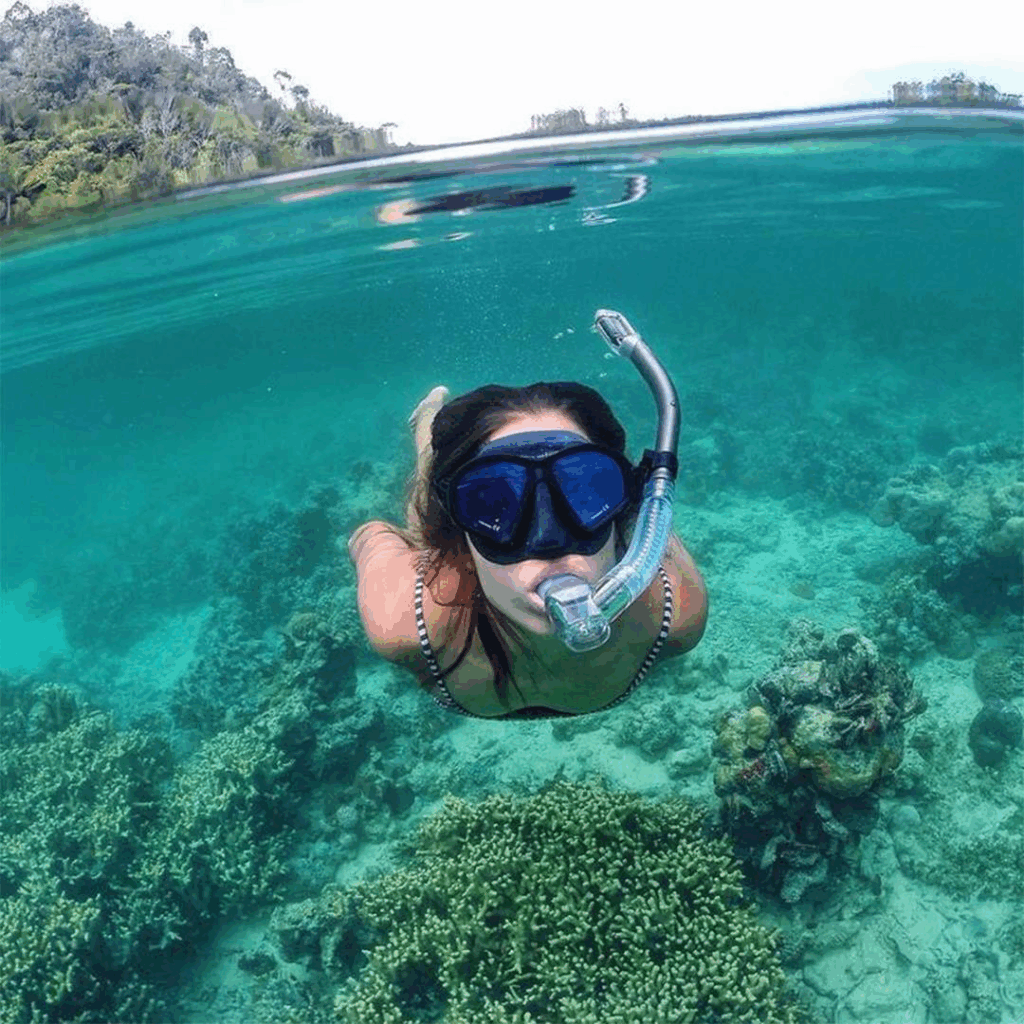
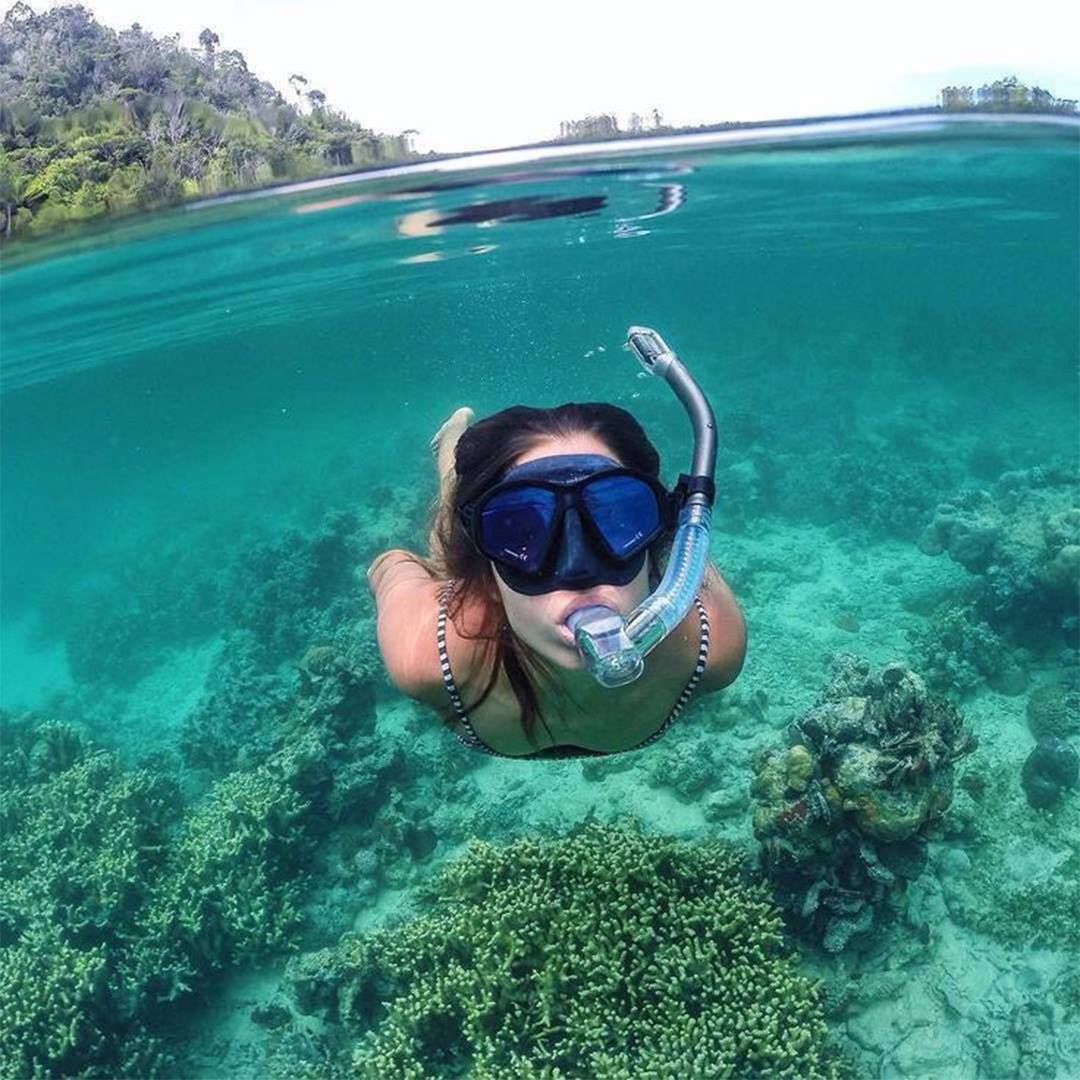
Every week includes both academic field trips and cultural adventures.
- Horseback riding through the forest
• Nauyaca Waterfalls
• Zip-lining in the rainforest canopy
• Local markets and a traditional river barbecue
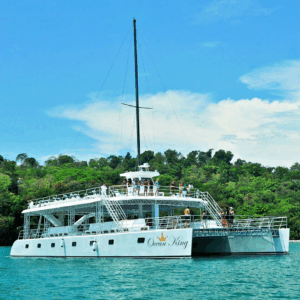
• End-of-Session Catamaran Closing Ceremony
• Mangrove Kayak Tour
Surf lessons
Open ocean kayak
- Tour of Manuel Antonio National Park – 1,680 acres of land and 136,000 acres of marine habitat, home to over 100 mammal species and nearly 200 bird species
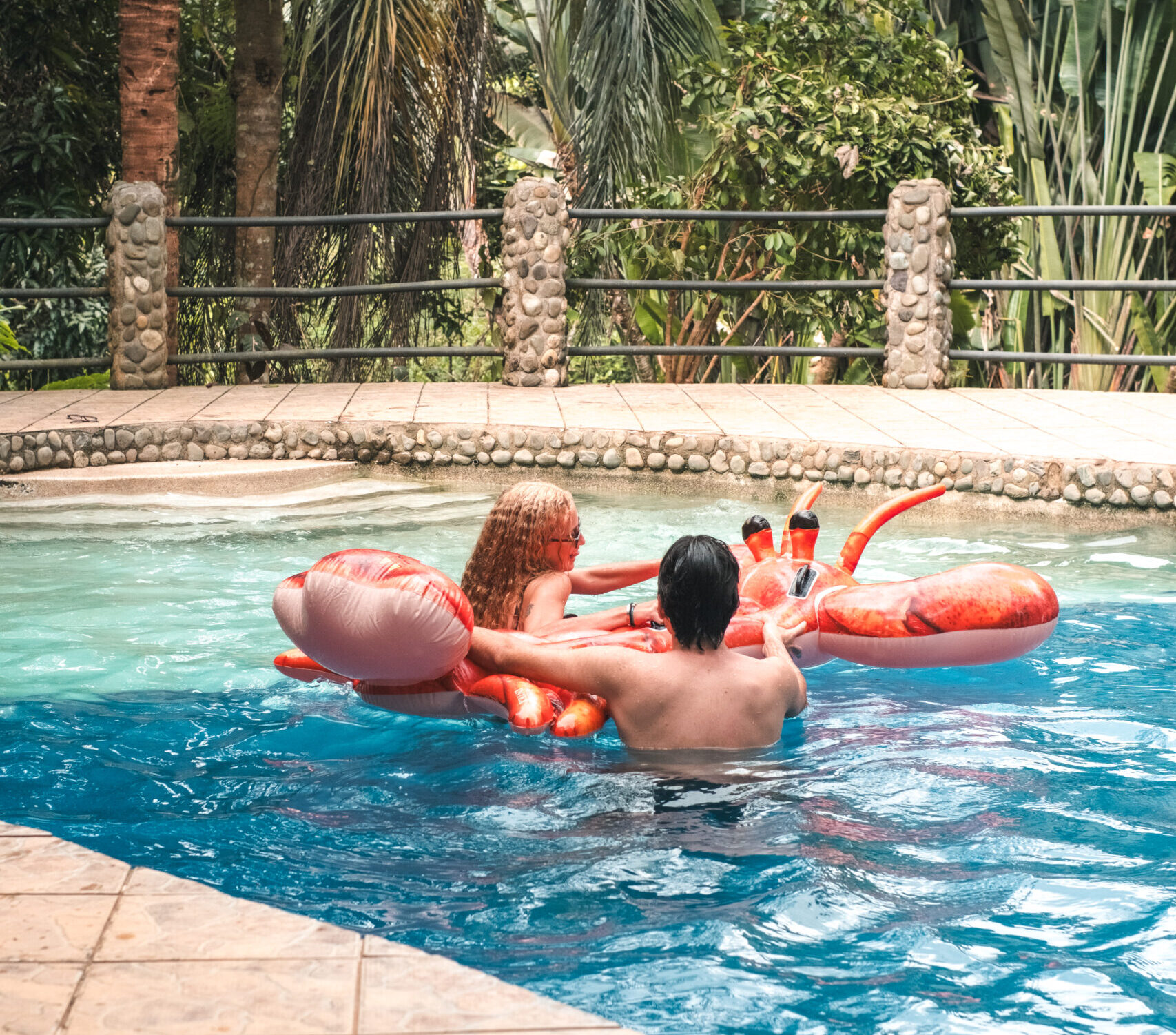
Your home away from home will be our 42-acre rainforest campus:
• Bungalows: Shared bungalow-style housing with A/C, private baths, Wi-Fi, mini-fridge, and patios (max 4 students).
• Dining: On-site restaurant and professional chef with fresh, healthy meals.
• Pool & Grounds: A jungle-surrounded pool and campus trails for birdwatching and nature walks.
• Community Atmosphere: A layout that encourages collaboration and friendships among students and staff.
What’s Included
- Shared bungalow accommodations (max 4 students per bungalow).
• Access to the pool, restaurant, and chef-prepared meals.
• Meal plan: 3 meals/day - Academic materials and program instruction.
• Excursions, outings, and field trips.
Not Included
- $50 application fee.
• Flights to/from Costa Rica.
• Ground transportation between San José and Manuel Antonio.
• Extra transport (ATV rentals, taxis, etc.).

This program gives you:
• Field experience with wildlife, farm animals, and community medicine.
• Communication skills from working in teams and with local communities.
• Veterinary references and the possibility of recommendation letters.
By the end, you’ll not only be a stronger applicant but also have a deeper understanding of the veterinarian’s role in conservation and global health.
Summer 2026
- May 17 – May 30 (2 weeks)
- May 17 – June 13 (4 weeks)
- June 14 – June 27 (2 weeks)
- June 14 – July 11 (4 weeks)
- July 12 – July 25 (2 weeks)
- July 12 – Aug 8 (4 weeks)
2-Week Program: $4,200
4-Week Program: $6,200
+ 3% Credit Card fee (25% non-refundable deposit required to reserve your space)
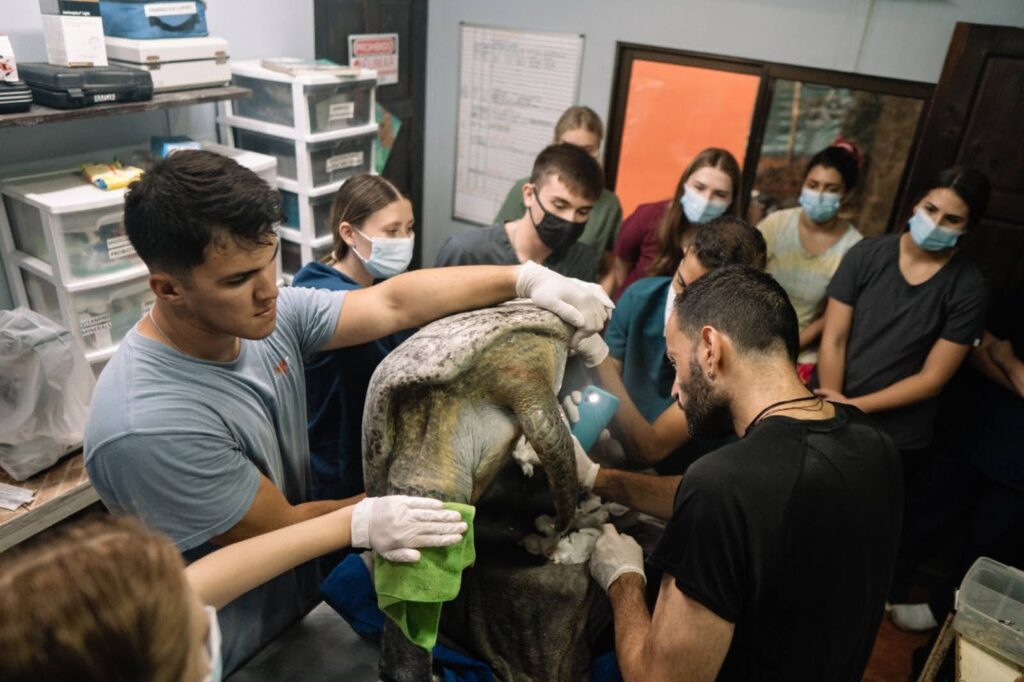
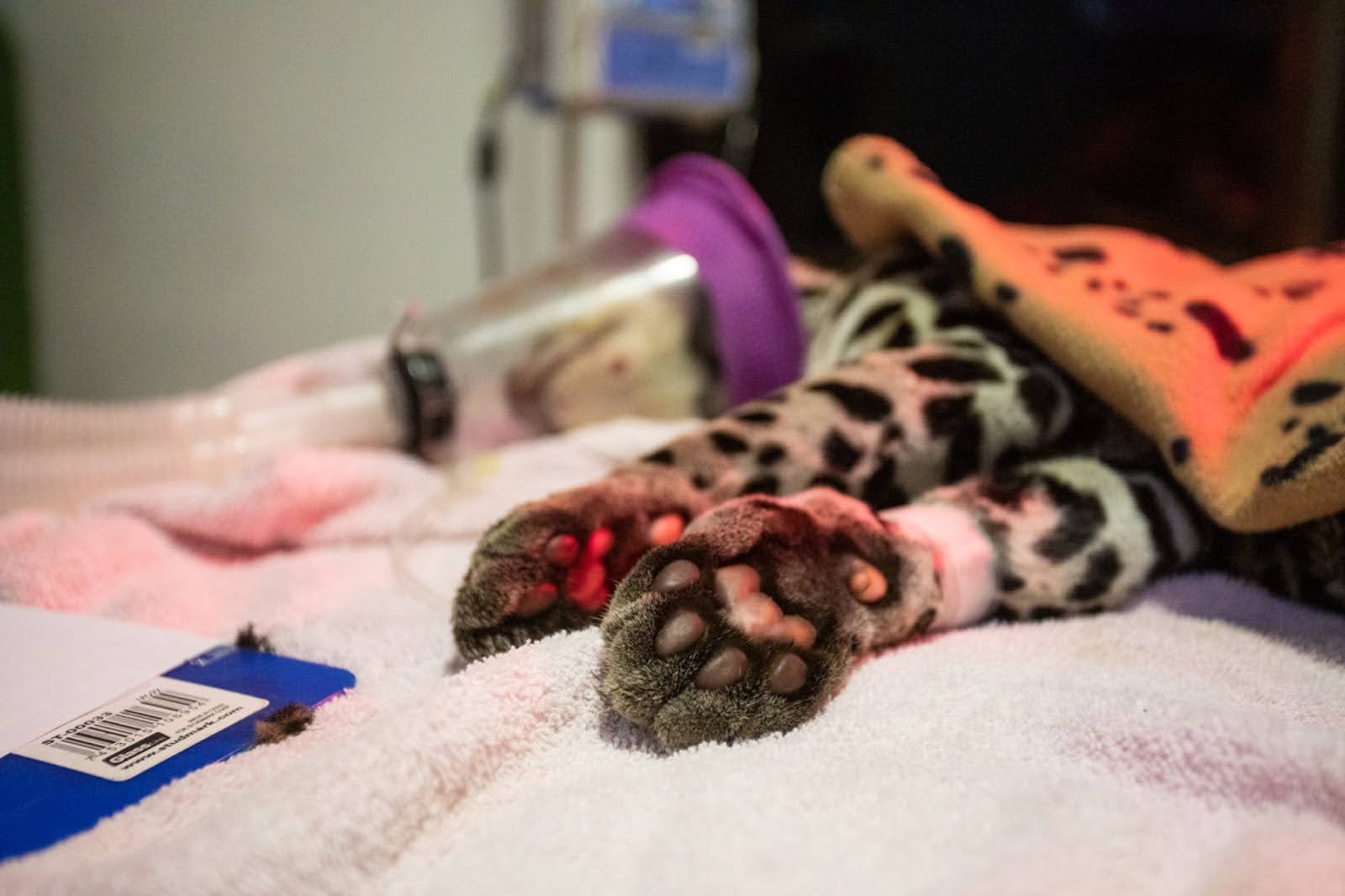
Wildlife & Conservation Medicine – work directly with rescued and rehabilitated wild animals under expert veterinary supervision.
Domestic Animal Practice – gain skills in cattle, goats, and equine medicine, experiencing the challenges of rural veterinary practice.
Community Impact – take part in spay/neuter campaigns that directly benefit local communities while improving your surgical confidence.
Expert Mentorship – learn from specialized veterinarians in multiple fields, ensuring exposure to a wide range of cases and techniques. And obtain recommendation letters for School applications
Adventures & Fieldtrips balance your training with educational field excursions and fun explorations of Costa Rica’s rainforests, wildlife, and culture.
This program is not a volunteer position. It is the perfect fusion of wildlife, domestic, and community veterinary practice giving you a complete look at the diverse world of animal medicine while living unforgettable adventures in one of the most biodiverse countries on Earth.

- Natural history of Costa Rican primates
- Animal ethics and welfare
- One Health conceptConservation issues in Costa Rica
- Rehabilitation of wild marine mammals
- Histology and cell identification
- Clinical blood analysis
- Mammalian biology
- Wildlife restraint and handling techniques
- Wildlife darts: design, assembly, and practice
- Field darting competition
- Physical examination of wildlife
- Biology, ecology, conservation, and husbandry of Costa Rican reptiles
- Amphibian biology and conservation
- Avian medicine in wildlife
- Comparative anatomy among wildlife species
- Animal behavior and environmental enrichment
- Enrichment design in the sanctuary
- Wildlife medicine in rescue centers
- Necropsies: reptiles, birds, and mammals
- Shadowing sessions: nursery intern and zookeeper roles
- Physical examination of sanctuary patients
- Community spay and neuter campaign
- Calculating anesthesia protocols in wildlife
- Surgical techniques in spay and neuter procedures
- Practice of suture patterns
- Common parasites in wildlife
- Fecal collection and analysis in the sanctuary
- Parasite identification in laboratory practice
- Medicine administration and common practices in rehabilitation
- Shadowing sessions: clinic and sanctuary staff
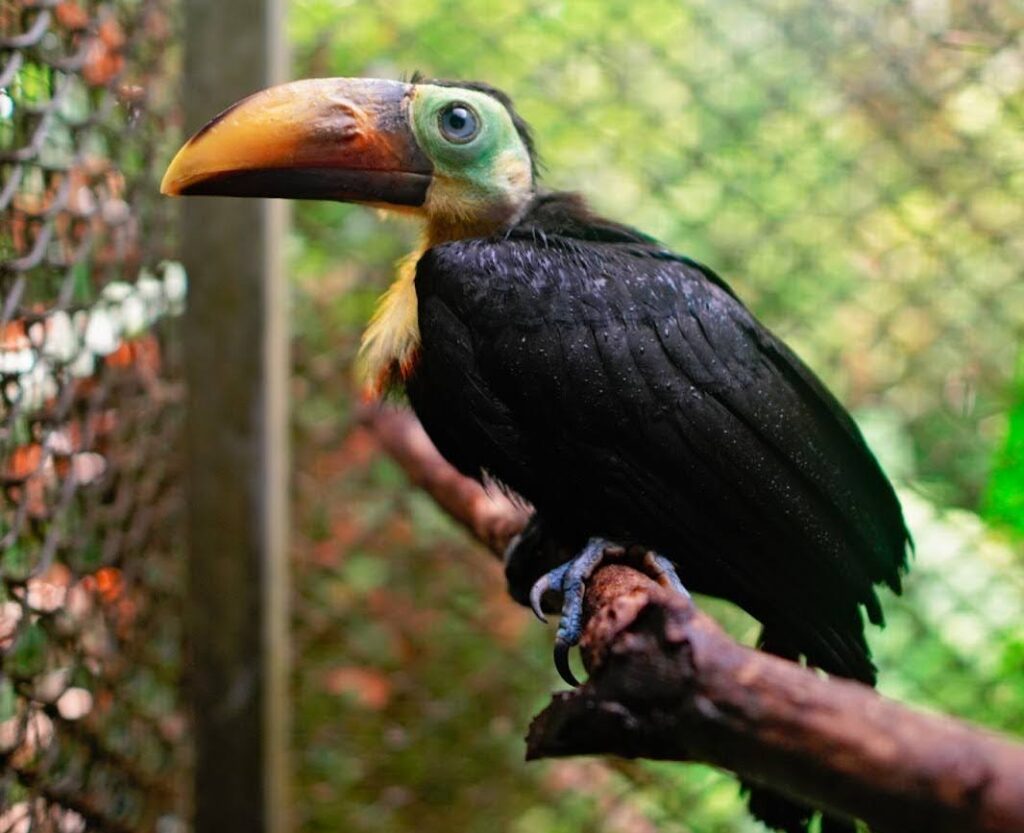
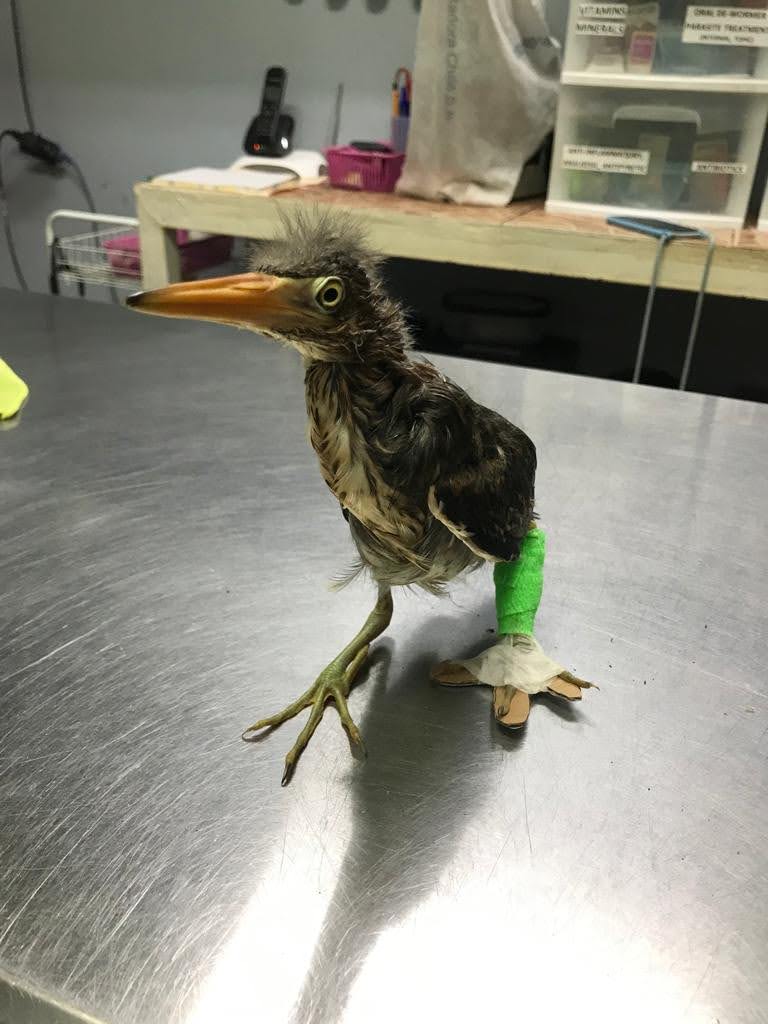
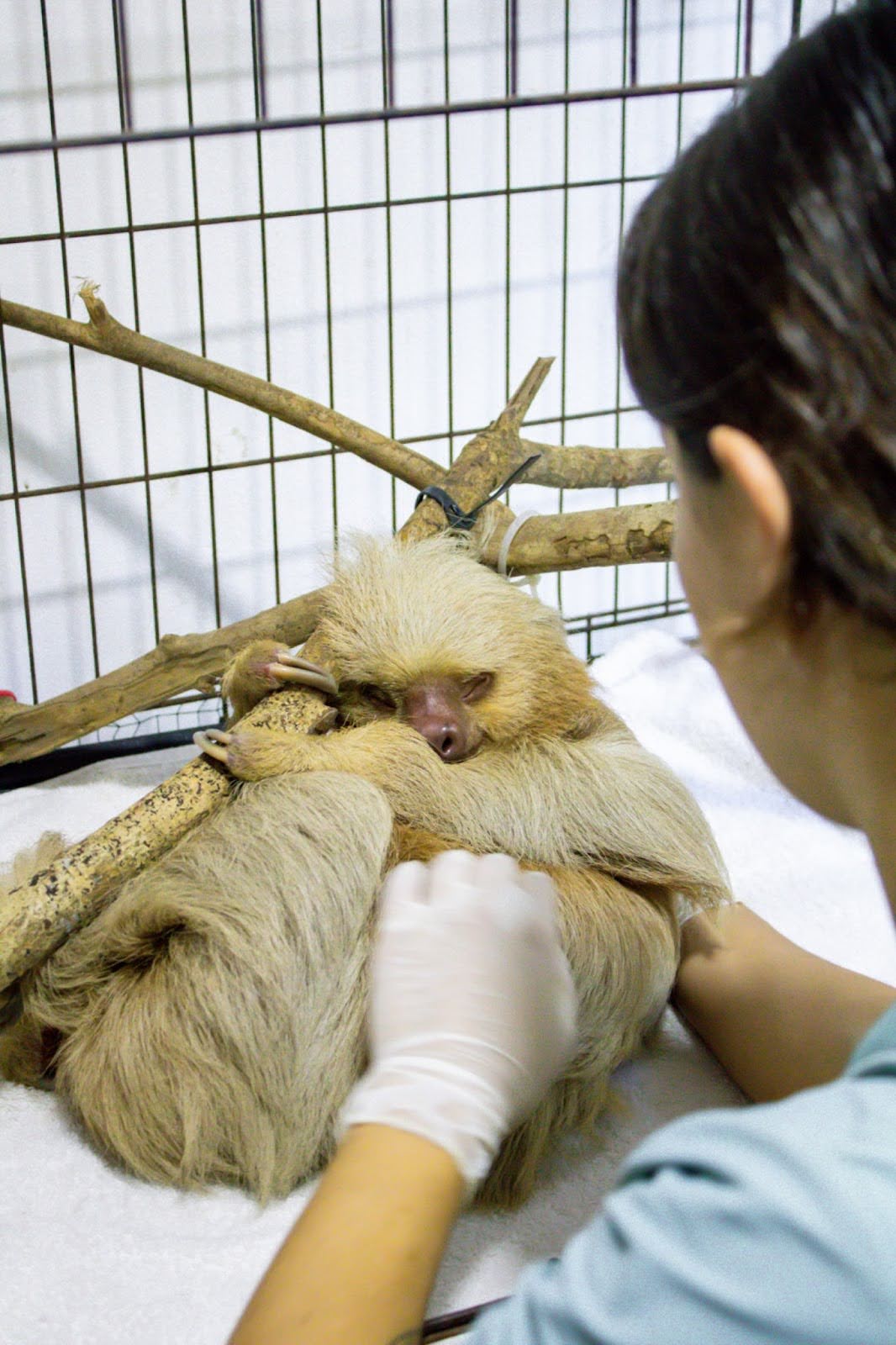
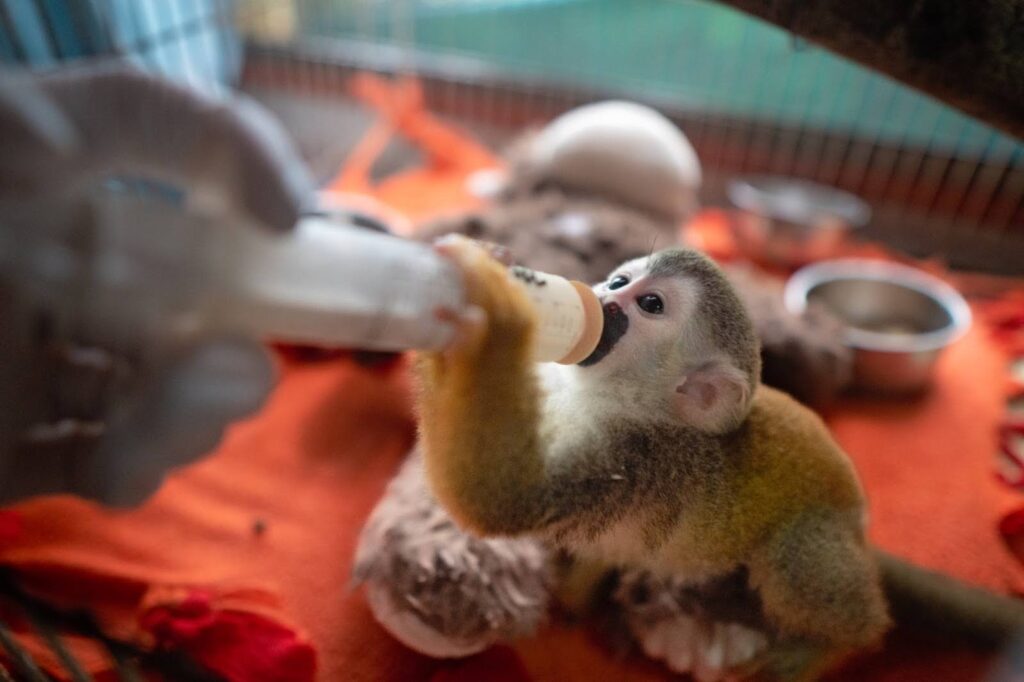
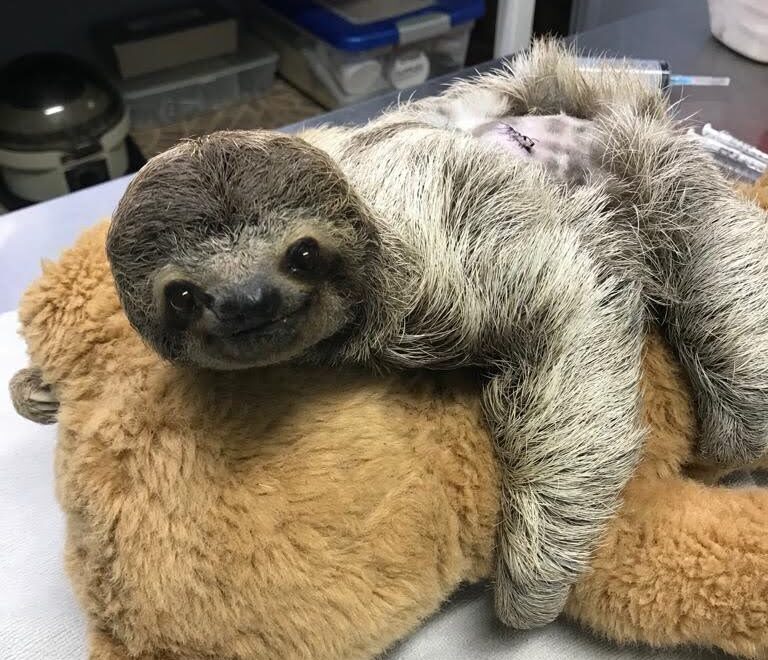
- Conservation Medicine & Rehabilitation (Week 1) – work directly with rescued wild animals such as sloths, monkeys, parrots, and anteaters, gaining skills in diagnostics, treatments, and pre-release protocols aimed at returning them to the wild.
- Sanctuary Medicine (Week 2) – focus on animals that cannot return to their natural habitat, learning about long-term care, enrichment, preventive medicine, and welfare in sanctuary settings.
- Expert Mentorship – train under specialized wildlife veterinarians, gaining exposure to real cases, ethical decision-making, and advanced care techniques.
- Adventures & Fieldtrips – balance your clinical training with educational field excursions and cultural adventures, experiencing Costa Rica’s incredible biodiversity.
This program is a unique journey into wildlife veterinary medicine and rehabilitation, offering you the chance to understand both short-term rescue and lifelong sanctuary care while living unforgettable adventures in one of the most biodiverse countries on Earth.
- Program introduction, rules, and staff presentations
- Clinic and sanctuary tour – One Health approach
- Natural history of Costa Rican primates
- Ethics and welfare in wildlife rehabilitation
- Physical examination of wildlife patients
- Hands-on clinical exams with sanctuary animals
- Wildlife restraint and handling techniques
- Conservation issues in Costa Rica
- Wildlife parasitology – fecal collection and parasite identification
- Blood analysis and diagnostic techniques
- Zoonotic diseases in wildlife and biosafety training
- Histology and cell identification in wildlife medicine
- Necropsy practice – reptiles, birds, and mammals
- Case studies discussions on rehabilitation medicine
- Wildlife anesthesia protocols
- Suture practice and common clinical procedures
- Sanctuary medicine and long-term care of non-releasable wildlife
- Comparative anatomy of sanctuary species
- Preventive medicine in captive wildlife
- Animal behavior in captivity
- Environmental enrichment – theory and design
- Implementation of enrichment in the sanctuary
- Zoonotic diseases in sanctuary settings
- Biosafety protocols and zoonosis prevention
- Case studies: KSTR clinical experiences in sanctuary care
- Shadowing sessions nursery interns care of young wildlife
- Avian and mammalian husbandry in sanctuary settings
- Feeding protocols, enrichment activities, and record-keeping
- Amphibians and reptiles in captivity – management and welfare
- Veterinary preventive care shadowing